The Permit Behind the Partition: Governing Hot Work in Occupied Premises
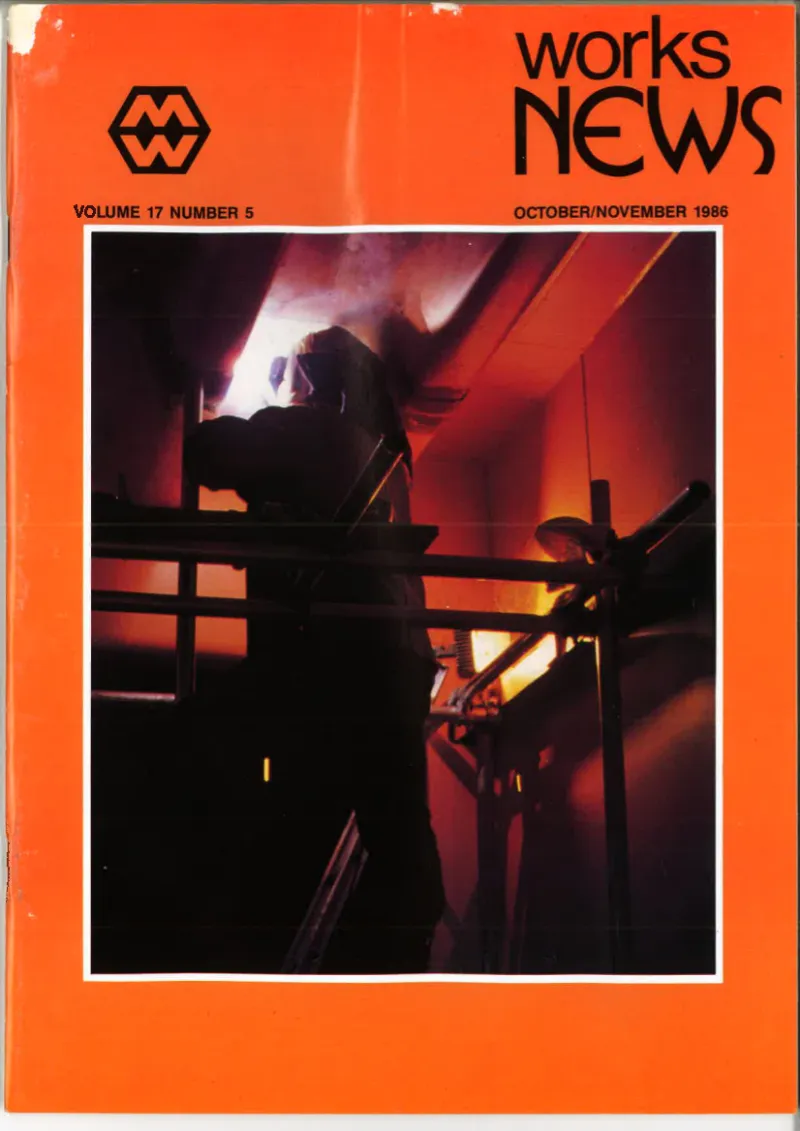
Photo: Archives New Zealand from New Zealand, CC BY 2.0, via Wikimedia Commons
A building under refurbishment is never quite one building. It is the premises as staff know it — corridors, servers, kitchens, a steady flow of visitors — overlaid with a temporary site of cable drums, dust sheets and trades arriving before seven. Where those two versions of the same address overlap, hot work is usually taking place. Grinding, welding, soldering and disc cutting all generate temperatures and sparks capable of igniting material that has been sitting quietly in a riser for a decade.
The permit is the mechanism that manages this overlap. In practice, it is frequently treated as an administrative courtesy: a sheet of paper produced when the contractor arrives, signed at the bottom, filed before lunch. That is not a control. It is a record that a control was once discussed.
What the permit is for
A hot work permit exists to answer a small number of very specific questions before the first spark is struck. Where exactly will the work happen? What will be done, with which equipment, and for how long? What has been removed, covered or isolated within the immediate area? Who is doing the work, and what makes them competent to do it? Who is watching, and for how long after the torch is switched off?
If the document in front of you cannot answer those questions in writing, it is not a permit. It is a liability with a signature attached.
Under the Regulatory Reform (Fire Safety) Order 2005, the responsible person must take general fire precautions, and that duty does not pause because a portion of the building has been handed to a principal contractor. Construction work brings its own framework through CDM 2015, but the fire safety duties attached to the premises continue throughout. The two run alongside each other, and a facilities manager who assumes the contractor has absorbed the risk entirely is relying on an assumption that will not survive scrutiny.
The details that separate a real permit from a signature
A properly constructed permit is specific. Vague references to "third floor" or "plant room" are insufficient when the work involves a single riser shaft adjacent to a store of cardboard packaging.
Common elements of a robust permit include:
- Scope and location, described precisely enough that an inspector could find the spot without asking.
- Time limits, with a start and finish, and no open-ended validity across multiple days.
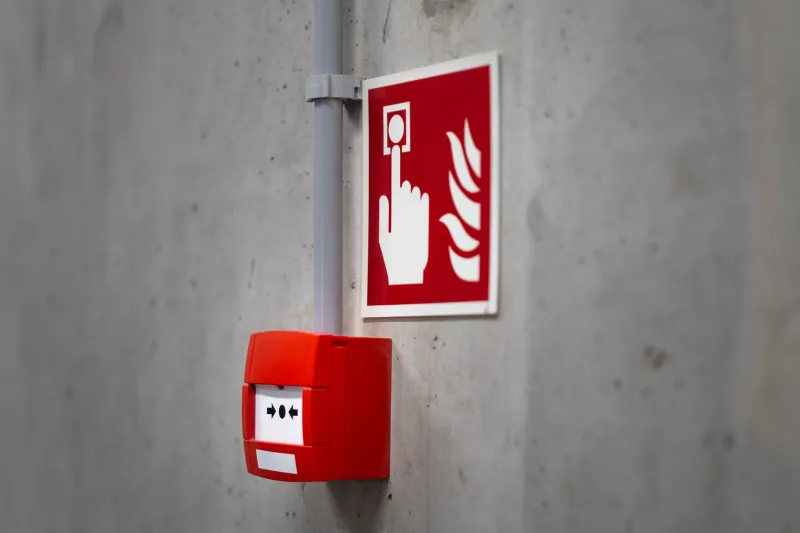
- Isolation of detection, where the work requires it, together with the interim arrangements put in place while a detector or zone is disabled.
- Clearance of combustibles within a defined radius — typically ten metres — and protection of anything that cannot be moved.
- Screens, blankets and fire-resisting sheeting appropriate to the process, not simply what was left on the van.
- Suitable extinguishing media immediately to hand, with the operative shown to know how to use it.
- A named fire watch, distinct from the person doing the work.
- A post-work watch period, commonly at least one hour, with a further check before the area is left unattended.
- A sign-off confirming the area has been examined and the permit closed.
Each item is unremarkable on its own. Their absence is what insurers and enforcing authorities tend to notice.
Why the fire watch must outlast the noise
The most frequently weakened element is the watch. Once the grinding stops and the tools are packed away, the work appears finished. But hot work ignites material in ways that are slow and undramatic — sparks travelling through gaps into voids, heat conducting through a steel member into timber or insulation, slag settling behind a partition. Smouldering can develop over an extended period before it produces visible flame.
A watch that ends when the operative leaves the floor is not a watch. Neither is one conducted by the same person who has spent the previous hour with their head inside a duct. The person observing needs to be present, unobstructed, and equipped to raise the alarm and act.
When the building's own systems complicate matters
Hot work in occupied premises almost always intersects with fire detection. Welding near a smoke detector will produce an unwanted alarm; disabling that detector removes protection from the area. Both outcomes carry risk, and the assessment should determine which is tolerable and for how long.
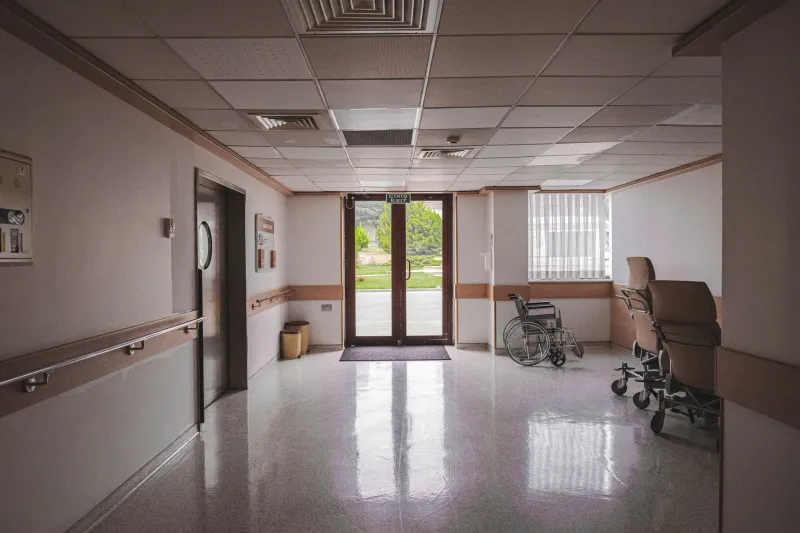
A workable arrangement usually includes notifying all occupants and the alarm receiving centre where relevant, restricting the isolation to the smallest practicable zone, recording the isolation and its restoration in writing, and ensuring someone is physically present in the affected area throughout. Where the work is prolonged, the isolation should not be left in place overnight without deliberate consideration of what that means for a building full of sleeping risks — data, stock, or vulnerable occupants.
Warning signs to look for at the door
A facilities manager can learn a great deal in the first five minutes of a contractor's arrival. Permits pre-signed by the operative before the building's representative has seen the area warrant questioning. Locations described in broad terms warrant questioning. A permit valid for a fortnight warrants questioning. A fire watch named as "site supervisor" who is simultaneously managing three other trades warrants questioning.
So too does an absence of protective sheeting in the materials being carried in, an extinguisher that remains in the vehicle, or an explanation that the job will be quick. Speed is not a control measure.
The commercial dimension
Most commercial property policies contain conditions requiring reasonable precautions, and hot work is a recognised source of large losses precisely because controls fail at the point of execution rather than the point of design. Where a fire follows defective hot work, the resulting investigation will examine the permit, the competence of those named on it, the sequence of isolations, and the adequacy of the watch. Documents that cannot withstand that examination tend to convert a manageable incident into a disputed claim.
It is worth reviewing the hot work arrangements already described in your fire risk assessment, and confirming they reflect the way contractors are actually managed rather than the way they are ideally managed. Where refurbishment is planned, Mercury Fire Safety can review existing assessments and permits alongside the intended programme of works, so that the controls are proportionate before the first trade arrives rather than reconstructed afterwards.
The welder in the corridor is not the problem. The problem is the corridor that has not been prepared for the welder.